Cloud Migration Services A Comprehensive Guide

Migration cloud application services security

Embarking on a cloud migration journey can feel like navigating uncharted waters. This comprehensive guide illuminates the path, providing a clear understanding of cloud migration services, from initial planning and execution to post-migration optimization and ongoing maintenance. We’ll explore various migration strategies, address potential challenges, and highlight best practices to ensure a smooth and successful transition to the cloud.

This detailed exploration will empower you to make informed decisions and confidently navigate the complexities of cloud migration.

We’ll delve into the different types of cloud services (IaaS, PaaS, SaaS), examine the advantages and disadvantages of various migration approaches (rehosting, replatforming, refactoring), and discuss crucial aspects like data migration strategies, security considerations, and cost optimization. Real-world case studies will provide valuable insights and demonstrate how organizations have successfully leveraged cloud migration to achieve their business objectives.

Post-Migration Optimization

Successfully migrating to the cloud is only half the battle. Post-migration optimization is crucial for realizing the full potential of your cloud investment, ensuring both performance and cost-effectiveness. This phase involves fine-tuning your cloud environment to maximize efficiency and minimize operational overhead. By proactively addressing optimization strategies, you can significantly reduce costs and improve the overall performance of your applications and infrastructure.Optimizing cloud resources after migration requires a multifaceted approach.

It involves analyzing resource utilization, identifying areas for improvement, and implementing changes to enhance efficiency. This isn’t a one-time task; it’s an ongoing process requiring consistent monitoring and adaptation to changing demands. Failure to optimize can lead to wasted resources and higher-than-necessary cloud spending.

Right-Sizing Cloud Resources

Right-sizing involves adjusting the capacity of your cloud resources to match actual usage patterns. Over-provisioning leads to unnecessary expenses, while under-provisioning can impact performance and availability. Analyzing resource utilization metrics like CPU, memory, and storage consumption helps identify instances where resources can be scaled down or up as needed. Tools provided by cloud providers often offer detailed dashboards and reporting features to facilitate this analysis.

For example, Amazon Web Services (AWS) provides detailed cost and usage reports that allow users to identify over-provisioned instances and optimize accordingly. Microsoft Azure provides similar tools, offering granular visibility into resource utilization and helping users identify opportunities for cost savings through right-sizing.

Cost Optimization Strategies

Effective cost optimization requires a proactive and strategic approach. Several key strategies contribute to minimizing cloud expenses. This includes leveraging reserved instances or committed use discounts offered by cloud providers to reduce costs for consistently utilized resources. Another strategy involves utilizing spot instances for less critical workloads, which offer significant cost savings by using spare computing capacity. Regularly reviewing and deleting unused resources, such as idle virtual machines or storage buckets, is also crucial.

Automated tools can be implemented to identify and automatically remove these resources, ensuring that only necessary resources remain active. Finally, exploring cost optimization tools offered by cloud providers can automate the process of identifying and addressing cost inefficiencies.

Ongoing Monitoring and Maintenance

Continuous monitoring is essential for maintaining optimal performance and identifying potential issues before they escalate. This involves setting up alerts for critical metrics such as CPU utilization, network latency, and storage capacity. Regularly reviewing logs and monitoring system health helps proactively address problems and prevent performance degradation. Proactive maintenance, such as patching operating systems and applications, is crucial for security and stability.

Automated patching and updating tools can significantly reduce the administrative burden and ensure that systems are always up-to-date with the latest security fixes. By implementing robust monitoring and maintenance procedures, organizations can minimize downtime and ensure the ongoing reliability of their cloud environment.

Cloud Security and Compliance Management

Maintaining a secure and compliant cloud environment is paramount. This involves implementing strong access controls, regularly updating security configurations, and ensuring compliance with relevant industry regulations. Employing multi-factor authentication (MFA) for all user accounts enhances security significantly. Regularly scanning for vulnerabilities and patching systems promptly is essential to mitigate security risks. Implementing a robust security information and event management (SIEM) system allows for centralized monitoring of security events and facilitates incident response.

Finally, adherence to compliance standards such as HIPAA, PCI DSS, or GDPR, depending on the industry and data handled, is critical for maintaining legal and regulatory compliance. Failing to address security and compliance can result in significant financial and reputational damage.

Cloud Services Overview

Understanding the different types of cloud services is crucial for effective cloud migration and management. This section provides a detailed overview of Infrastructure as a Service (IaaS), Platform as a Service (PaaS), and Software as a Service (SaaS), highlighting their key features, benefits, and popular providers.

IaaS, PaaS, and SaaS: A Comparison

Cloud services are broadly categorized into three main models: IaaS, PaaS, and SaaS. Each model offers a different level of abstraction and control, catering to varying needs and technical expertise. IaaS provides the most control, offering fundamental computing resources, while SaaS offers the least control, providing ready-to-use applications. PaaS sits in between, offering a platform for application development and deployment.

Infrastructure as a Service (IaaS)

IaaS provides on-demand access to fundamental computing resources, including virtual machines (VMs), storage, and networking. Users have significant control over the underlying infrastructure, allowing for customization and optimization. Popular IaaS providers include Amazon Web Services (AWS) with its Elastic Compute Cloud (EC2), Microsoft Azure with its Virtual Machines, and Google Cloud Platform (GCP) with its Compute Engine. These providers offer a range of VM sizes, storage options (e.g., block storage, object storage), and networking capabilities to suit diverse workloads.

The benefit of IaaS lies in its flexibility and scalability; resources can be easily scaled up or down based on demand, minimizing costs and maximizing efficiency. However, IaaS requires more technical expertise to manage and maintain the infrastructure.

Platform as a Service (PaaS)

PaaS provides a platform for developing, deploying, and managing applications without the need to manage the underlying infrastructure. This simplifies the development process, allowing developers to focus on building applications rather than managing servers and operating systems. Examples of PaaS offerings include AWS Elastic Beanstalk, Microsoft Azure App Service, and Google Cloud Platform App Engine. These platforms often include features such as databases, application servers, and development tools.

The primary benefit of PaaS is its ease of use and reduced management overhead. However, it offers less control over the underlying infrastructure compared to IaaS.

Software as a Service (SaaS)

SaaS provides ready-to-use applications accessed over the internet. Users do not need to manage any infrastructure or platform; they simply subscribe to the service and use the application. Popular SaaS examples include Salesforce, Microsoft Office 365, and Google Workspace. These services offer a wide range of applications, from CRM and email to productivity suites and collaboration tools.

The main advantage of SaaS is its ease of use and low maintenance; users simply access the application through a web browser or mobile app. However, it offers the least control and customization compared to IaaS and PaaS.

Cloud Service Relationships

+-----------------+     +-----------------+     +-----------------+
|     IaaS        |---->|     PaaS        |---->|     SaaS        |
+-----------------+     +-----------------+     +-----------------+
|  (Compute,      |     |  (Platform,     |     |  (Applications) |
|   Storage,      |     |   Services)     |     |                 |
|   Networking)   |     |                 |     |                 |
+-----------------+     +-----------------+     +-----------------+
 

This diagram illustrates how SaaS applications often run on PaaS platforms, which in turn rely on IaaS for their underlying infrastructure.

This layered approach allows for flexibility and scalability across different cloud service models.

Security Considerations in Cloud Migration
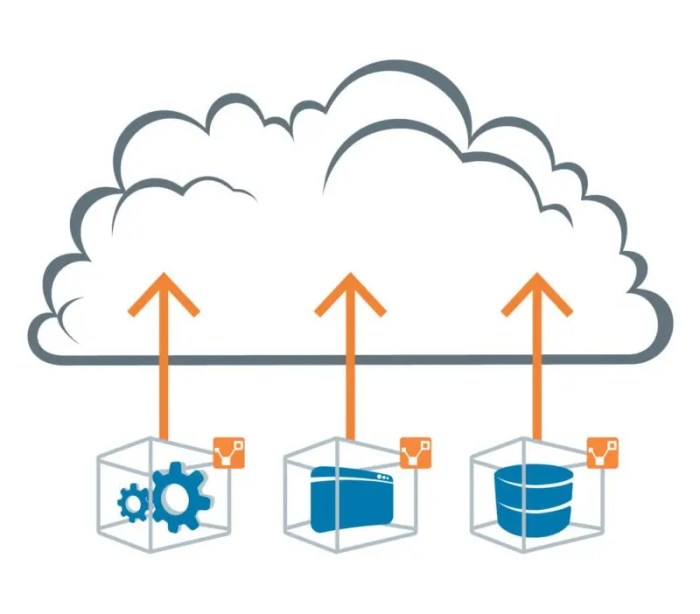
Computing

Migrating to the cloud introduces a new set of security challenges. While cloud providers offer robust security infrastructure, the responsibility for data security ultimately rests with the organization. Understanding and mitigating these risks is crucial for a successful and secure cloud migration.

Security risks associated with cloud migration are multifaceted and require a proactive approach. Failing to adequately address these concerns can lead to data breaches, compliance violations, and significant financial losses. A comprehensive security strategy must be implemented throughout the entire migration process, from planning and assessment to post-migration monitoring.

Common Security Risks Associated with Cloud Migration

Data breaches, unauthorized access, and misconfigurations are among the most prevalent security risks during cloud migration. Insufficient access control, lack of encryption, and inadequate vulnerability management increase the likelihood of these incidents. For example, a company migrating sensitive customer data without proper encryption could expose this information to malicious actors. Similarly, failing to properly configure cloud security groups can inadvertently open up systems to unauthorized access.

Best Practices for Securing Data and Applications in the Cloud

Implementing robust security measures is paramount. This includes employing strong authentication methods like multi-factor authentication (MFA), encrypting data both in transit and at rest, and regularly patching and updating systems to address known vulnerabilities. Regular security audits and penetration testing can identify and mitigate potential weaknesses before they are exploited. For instance, regularly scanning for vulnerabilities using automated tools can help proactively identify and address potential security gaps.

Employing a zero-trust security model, which assumes no implicit trust, can further enhance security by verifying every access request regardless of its origin.

The Role of Compliance Standards in Cloud Migration

Compliance with relevant industry regulations and standards is crucial. Organizations must ensure their cloud environment adheres to standards like GDPR, HIPAA, PCI DSS, and others, depending on the industry and the type of data being processed. Non-compliance can result in hefty fines and reputational damage. For example, a healthcare provider migrating patient data to the cloud must ensure compliance with HIPAA regulations, which include strict requirements for data security and privacy.

This necessitates careful planning and implementation of appropriate security controls.

Examples of Security Tools and Technologies Used in Cloud Environments

Various security tools and technologies enhance cloud security. Cloud Access Security Brokers (CASBs) monitor and control access to cloud services, while Security Information and Event Management (SIEM) systems collect and analyze security logs to detect and respond to threats. Intrusion Detection and Prevention Systems (IDPS) provide real-time protection against malicious activity. Cloud Workload Protection Platforms (CWPPs) offer comprehensive security for virtual machines and containers.

These tools, when properly implemented and integrated, create a layered security approach that significantly reduces the risk of security breaches. For instance, a SIEM system can detect unusual login attempts, alerting security personnel to potential breaches. A CASB can prevent unauthorized access to sensitive data stored in the cloud.

Case Studies of Successful Cloud Migrations

Migration cloud application services security

Successful cloud migration isn’t simply about moving data; it’s about strategically transforming IT infrastructure to enhance efficiency, scalability, and cost-effectiveness. Numerous organizations across diverse sectors have reaped significant benefits through well-planned and executed cloud migrations. Examining these successes, alongside learning from past failures, provides invaluable insights for future projects.

Successful cloud migrations often involve a phased approach, thorough planning, and a strong focus on security. Conversely, unsuccessful migrations frequently stem from inadequate planning, a lack of skilled resources, or underestimation of the complexity involved. Understanding these contrasting experiences offers critical lessons for organizations contemplating their own cloud journeys.

Retail Giant’s Omnichannel Transformation

A major global retailer successfully migrated its entire e-commerce platform to a cloud-based infrastructure. This involved migrating petabytes of data, encompassing product catalogs, customer information, and transactional records. The migration resulted in a significant improvement in website performance, enabling the retailer to handle peak demand during holiday seasons without experiencing service disruptions. Furthermore, the cloud-based infrastructure provided greater scalability, allowing the retailer to quickly adapt to changing market demands and launch new features and services.

This project highlights the potential for cloud migration to drive significant improvements in customer experience and business agility.

Financial Institution’s Enhanced Security Posture

A large financial institution migrated its core banking systems to a secure cloud environment. This migration involved implementing robust security measures, including encryption, access controls, and regular security audits. The cloud provider’s inherent security features, combined with the institution’s proactive security measures, significantly enhanced the organization’s overall security posture. This initiative showcases how cloud migration can improve security by leveraging advanced security tools and expertise offered by cloud providers.

The migration also enabled the institution to meet stringent regulatory compliance requirements more efficiently.

Healthcare Provider’s Improved Data Management

A large healthcare provider migrated its electronic health record (EHR) system to the cloud. This enabled the provider to improve data accessibility for its clinicians, enhance data security, and reduce IT infrastructure costs. The cloud-based EHR system also facilitated better data analytics, allowing the provider to gain valuable insights into patient care and improve operational efficiency. This case study demonstrates the transformative potential of cloud migration in the healthcare industry, particularly in improving patient care and operational efficiency.

Key Factors Contributing to Successful Cloud Migrations

Understanding the crucial elements that underpin successful cloud migrations is paramount. These factors, when effectively implemented, significantly increase the likelihood of a smooth and beneficial transition.

  • Thorough Planning and Assessment: A comprehensive assessment of existing infrastructure, application dependencies, and business requirements is essential. This forms the foundation for a detailed migration plan.
  • Phased Approach: Migrating in phases, rather than attempting a “big bang” approach, minimizes disruption and allows for iterative learning and adjustments.
  • Skilled Resources and Expertise: Having a team with the necessary cloud expertise, including architects, engineers, and security specialists, is critical for success.
  • Robust Security Measures: Implementing strong security protocols throughout the migration process is vital to protect sensitive data.
  • Comprehensive Testing and Validation: Thorough testing of applications and infrastructure in the cloud environment is essential to ensure functionality and performance.
  • Effective Change Management: Communicating the migration plan and providing training to staff are crucial for minimizing disruption and ensuring buy-in.
  • Continuous Monitoring and Optimization: Post-migration monitoring and optimization are essential to ensure ongoing performance and cost efficiency.

Applying Lessons Learned to Future Projects

The lessons gleaned from both successful and unsuccessful cloud migrations can be effectively applied to future initiatives. By carefully analyzing past experiences, organizations can identify potential pitfalls and develop mitigation strategies. For instance, prioritizing thorough planning and risk assessment, investing in skilled resources, and adopting a phased approach significantly reduces the likelihood of encountering major challenges. Furthermore, establishing clear communication channels and incorporating robust monitoring and optimization strategies ensures a smoother and more successful cloud migration.

A proactive approach, informed by previous experiences, greatly enhances the probability of a positive outcome.

Successfully migrating to the cloud requires careful planning, meticulous execution, and ongoing attention to optimization and security. This guide has provided a roadmap to navigate this complex process, equipping you with the knowledge and strategies necessary for a smooth and efficient transition. By understanding the various approaches, potential challenges, and best practices, you can confidently leverage the cloud’s power to enhance your organization’s efficiency, scalability, and resilience.

Remember, a successful cloud migration is an ongoing process, requiring continuous monitoring, optimization, and adaptation to evolving needs.

Clarifying Questions

What is the cost of cloud migration services?

The cost varies greatly depending on factors like the size of your infrastructure, the complexity of your applications, the chosen cloud provider, and the migration strategy employed. It’s best to obtain quotes from multiple providers.

How long does a cloud migration take?

Migration timelines vary significantly depending on the size and complexity of the project. Smaller migrations might take weeks, while larger, more complex migrations can take months or even longer.

What happens to my data during a cloud migration?

Data migration is a critical aspect, requiring a well-defined strategy to ensure data integrity and security. Methods range from simple data transfers to more complex processes involving data transformation and validation.

What if my cloud migration fails?

A robust rollback plan is essential. This plan should detail how to revert to your on-premise infrastructure in case of unexpected issues during the migration.

Enterprise Cloud Solutions A Business Overview

The modern business landscape is increasingly reliant on robust and scalable IT infrastructure. Enterprise cloud solutions have emerged as a pivotal technology, transforming how organizations manage data, applications, and operations. This exploration delves into the core aspects of enterprise cloud solutions, examining their benefits, challenges, and future trajectory, offering a comprehensive understanding for businesses of all sizes.

From defining the key characteristics that distinguish enterprise-grade solutions from consumer-level services, to exploring diverse deployment models like public, private, hybrid, and multi-cloud environments, we’ll navigate the complexities and opportunities presented by this transformative technology. We’ll also analyze the critical components of a secure and efficient enterprise cloud architecture, examining best practices and security measures.

Future Trends in Enterprise Cloud Solutions

The enterprise cloud landscape is in constant flux, driven by technological advancements and evolving business needs. Understanding emerging trends is crucial for businesses seeking to leverage the cloud effectively and maintain a competitive edge. This section will explore key future directions in enterprise cloud solutions, focusing on their potential impact and the role of AI and ML.

Serverless Computing and Edge Computing

Serverless computing, characterized by event-driven, function-as-a-service (FaaS) architectures, is rapidly gaining traction. This approach allows businesses to focus on code development without managing servers, reducing operational overhead and improving scalability. Edge computing, on the other hand, processes data closer to its source (e.g., IoT devices), reducing latency and bandwidth consumption. The combined effect of these two trends results in highly responsive, scalable, and cost-effective applications, particularly beneficial for real-time data processing and applications with geographically dispersed users.

For example, a global retail company could use serverless functions to process transactions in real-time at the edge, ensuring fast checkout experiences regardless of customer location. This reduces reliance on centralized data centers and improves overall application performance.

The Role of Artificial Intelligence (AI) and Machine Learning (ML)

AI and ML are fundamentally transforming enterprise cloud solutions. These technologies enable predictive analytics, automation of tasks, and personalized user experiences. Within the cloud, AI and ML algorithms can be trained on massive datasets to identify patterns, optimize resource allocation, and enhance security. For instance, anomaly detection systems using ML can identify and respond to security threats in real-time, preventing data breaches.

Predictive maintenance models can analyze sensor data from industrial equipment to predict potential failures, minimizing downtime and maintenance costs. This integration of AI and ML significantly improves efficiency, reduces costs, and enhances decision-making capabilities across various business functions.

Timeline of Enterprise Cloud Solution Evolution and Future Predictions

Year Key Development Impact on Businesses
2000s Early adoption of SaaS (Software as a Service) and IaaS (Infrastructure as a Service) Increased flexibility and cost savings for businesses, enabling access to enterprise-grade software and infrastructure without large upfront investments.
2010s Rise of PaaS (Platform as a Service) and cloud-native applications Accelerated software development and deployment cycles, enabling businesses to innovate faster and respond more quickly to market changes.
2020s Increased adoption of serverless computing, edge computing, and AI/ML integration Enhanced scalability, efficiency, and cost optimization; improved real-time data processing and decision-making capabilities.
2030s (Prediction) Ubiquitous adoption of AI-driven automation, quantum computing integration into cloud platforms Highly automated business processes, enhanced security, and unprecedented computational power enabling complex simulations and data analysis. Businesses will see further reduction in operational costs and increased agility.

In conclusion, the transition to enterprise cloud solutions presents significant advantages for businesses seeking enhanced scalability, flexibility, and cost-effectiveness. While challenges exist, strategic planning and mitigation strategies can effectively address potential hurdles. By understanding the various deployment models, security considerations, and future trends, organizations can leverage the power of the cloud to achieve their business objectives and maintain a competitive edge in today’s dynamic market.

Q&A

What is the difference between public, private, and hybrid cloud?

Public clouds are shared resources, offering cost-effectiveness but potentially less control. Private clouds are dedicated to a single organization, providing greater security and control but higher costs. Hybrid clouds combine both, offering flexibility and scalability.

How can I ensure the security of my data in the cloud?

Robust security measures are crucial. This includes employing data encryption, strong access controls, regular security audits, and adhering to industry best practices and compliance standards. Choosing a reputable cloud provider with strong security credentials is also essential.

What are the common challenges of cloud migration?

Challenges include data migration complexity, security concerns, integration with existing systems, cost management, and the need for skilled personnel to manage the cloud environment. Careful planning and phased migration can mitigate these risks.

Cloud Security Best Practices A Comprehensive Guide

Responsibility technologies

The cloud’s transformative power offers unparalleled scalability and flexibility, but this convenience comes with inherent security risks. Understanding and implementing robust cloud security best practices is no longer optional; it’s a critical necessity for organizations of all sizes. This guide delves into the core principles, essential strategies, and practical considerations necessary to safeguard your valuable data and applications in the dynamic cloud environment.

From securing access and managing identities to implementing robust data protection measures and establishing a strong security posture, we’ll explore a comprehensive range of topics. We’ll also examine the shared responsibility model, compliance requirements, and the crucial role of continuous monitoring and incident response. By understanding these elements, you can build a resilient and secure foundation for your cloud operations.

Defining Cloud Security Best Practices

Tecocraft

Cloud security best practices are a set of guidelines and procedures designed to protect data, applications, and infrastructure hosted in the cloud. These practices aim to mitigate risks and ensure the confidentiality, integrity, and availability of cloud resources, adapting traditional security principles to the unique challenges and opportunities of the cloud environment. Effective cloud security requires a proactive and multi-layered approach, involving both technical controls and organizational policies.

Core Principles of Cloud Security

The core principles of cloud security build upon established security frameworks but are tailored to the dynamic nature of cloud computing. These principles emphasize shared responsibility, data security, identity and access management, and continuous monitoring. A strong understanding of these principles is essential for implementing effective security measures. Key aspects include understanding the shared responsibility model with the cloud provider, proactively managing vulnerabilities, and consistently monitoring for threats.

Regular security assessments and penetration testing are crucial to identify weaknesses before malicious actors exploit them.

The CIA Triad in the Cloud Context

The CIA triad—Confidentiality, Integrity, and Availability—remains fundamental to cloud security. However, the cloud environment presents unique challenges to maintaining each of these tenets.

Confidentiality in the cloud focuses on protecting sensitive data from unauthorized access. This involves encryption both in transit and at rest, access control lists (ACLs) to restrict access based on roles and permissions, and data loss prevention (DLP) measures to prevent sensitive information from leaving the cloud environment. For example, encrypting databases at rest prevents unauthorized access even if the database server is compromised.

Integrity ensures that data remains accurate and unaltered. This is achieved through techniques like hashing and digital signatures to verify data authenticity, version control systems to track changes, and intrusion detection/prevention systems (IDS/IPS) to detect and prevent unauthorized modifications. Using checksums to verify data integrity after transmission is a good example.

Availability means ensuring that authorized users can access cloud resources and data when needed. This involves implementing redundancy and failover mechanisms, load balancing to distribute traffic, disaster recovery planning, and robust infrastructure design. For instance, employing geographically dispersed data centers ensures business continuity in case of regional outages.

Common Cloud Security Threats and Vulnerabilities

Cloud environments, while offering numerous advantages, are also susceptible to a range of security threats. These threats can stem from both internal and external sources, targeting various aspects of the cloud infrastructure and applications.

Misconfigurations: Incorrectly configured cloud services, such as improperly set access controls or insecure network settings, represent a significant vulnerability. For example, leaving an S3 bucket publicly accessible can lead to data breaches.

Insider threats: Malicious or negligent employees with access to cloud resources can pose a serious risk. Strong access controls and regular security awareness training are crucial mitigations.

Data breaches: Unauthorized access to sensitive data, often due to vulnerabilities or misconfigurations, can have devastating consequences. Encryption, access controls, and regular security audits are essential safeguards.

DDoS attacks: Distributed denial-of-service attacks can overwhelm cloud resources, making them unavailable to legitimate users. Employing DDoS mitigation services is a key preventative measure.

Malware and viruses: Cloud-based applications and systems can be infected with malware, compromising data and system integrity. Regular patching, antivirus software, and robust security monitoring are necessary.

Comparison of Cloud Security Models

Security Model Responsibility for Security Focus Example Implementation
Shared Responsibility Shared between cloud provider and customer Dividing security tasks based on control layers Provider secures infrastructure; customer secures data and applications.
Zero Trust Verify every access request, regardless of location “Never trust, always verify” approach Multi-factor authentication, micro-segmentation, and continuous monitoring.

Access Management and Identity

Responsibility technologies

Securing access to cloud resources is paramount. Robust access management and identity systems are the foundation of a strong cloud security posture, preventing unauthorized access and data breaches. Effective strategies in this area minimize risk and ensure compliance with various regulations.Strong authentication and authorization are critical for controlling who can access cloud resources and what actions they can perform.

Weak authentication methods leave systems vulnerable to unauthorized access, while poorly designed authorization systems can grant excessive privileges, increasing the potential impact of a security breach.

Strong Authentication and Authorization Mechanisms

Implementing multi-factor authentication (MFA) is a crucial step. MFA requires users to provide multiple forms of authentication, such as a password and a one-time code from a mobile app, significantly increasing the difficulty for attackers to gain access. Beyond MFA, regularly rotating passwords and utilizing strong, unique passwords for each account is vital. Furthermore, leveraging techniques like password managers can help individuals manage complex passwords effectively without compromising security.

Authorization mechanisms, such as role-based access control (RBAC), ensure that users only have access to the resources and functions necessary for their roles.

Access Control Models

Several access control models exist, each with its strengths and weaknesses. Role-Based Access Control (RBAC) assigns permissions based on a user’s role within an organization. For example, a database administrator would have different permissions than a regular employee. Attribute-Based Access Control (ABAC) is more granular, assigning permissions based on attributes of the user, the resource, and the environment.

This allows for fine-grained control and dynamic policy adjustments based on context. For instance, an ABAC system could grant access to a sensitive document only to employees located within a specific geographical region during business hours.

Managing User Identities and Credentials

Effective identity and access management (IAM) involves several best practices. Regularly auditing user accounts to identify inactive or compromised accounts is essential. Implementing a process for provisioning and de-provisioning accounts quickly and efficiently ensures that access is granted only when needed and revoked promptly upon termination or role changes. Utilizing a centralized IAM system provides a single point of control for managing user identities and credentials across multiple cloud services, simplifying administration and improving security.

Password management policies, including password complexity requirements and regular password changes, are critical.

Minimizing Privilege Access

The principle of least privilege dictates that users should only have the minimum necessary access rights to perform their tasks. This significantly reduces the potential damage from a compromised account. Regularly reviewing and adjusting user permissions to ensure they align with current job responsibilities is vital. Employing techniques like just-in-time access, where permissions are granted only when needed for a specific task and then revoked afterward, minimizes the window of vulnerability.

Implementing strong monitoring and alerting systems can detect and respond quickly to suspicious activity, helping to mitigate the impact of any security breaches.

Securing your cloud environment requires a multifaceted approach, encompassing proactive measures, reactive strategies, and a commitment to continuous improvement. By diligently implementing the best practices Artikeld in this guide – from robust access controls and data encryption to vigilant monitoring and incident response planning – organizations can significantly mitigate risks and protect their valuable assets. Remember that cloud security is an ongoing journey, not a destination; regular review and adaptation are key to maintaining a strong security posture in the ever-evolving cloud landscape.

Common Queries

What is the shared responsibility model in cloud security?

The shared responsibility model dictates that the cloud provider is responsible for the security
-of* the cloud (infrastructure), while the customer is responsible for security
-in* the cloud (data and applications). The specific responsibilities vary depending on the service model (IaaS, PaaS, SaaS).

How often should I perform vulnerability scans?

Regular vulnerability scans should be conducted frequently, ideally on a continuous basis or at least monthly, depending on your risk tolerance and the sensitivity of your data. The frequency should also align with industry best practices and regulatory requirements.

What are some common cloud security threats?

Common threats include data breaches, denial-of-service attacks, malware infections, insider threats, misconfigurations, and lack of appropriate access controls.

How can I ensure compliance with regulations like GDPR and HIPAA?

Compliance requires a multi-pronged approach including implementing appropriate security controls, documenting processes, conducting regular audits, and ensuring your cloud provider meets the relevant standards. Engage legal counsel to ensure full compliance.

Managed Cloud Services for Small Businesses

Managed hack

The cloud has revolutionized how small businesses operate, offering unprecedented scalability and cost-effectiveness. Managed cloud services, in particular, provide a compelling alternative to self-hosting, removing the burden of IT management and allowing businesses to focus on core competencies. This exploration delves into the benefits, considerations, and practical applications of managed cloud services tailored specifically for the needs of small enterprises.

From choosing the right provider and understanding pricing models to navigating security concerns and leveraging various cloud service types (IaaS, PaaS, SaaS), this guide provides a comprehensive overview. We’ll examine real-world examples, address common questions, and equip you with the knowledge to make informed decisions about migrating to or optimizing your existing cloud infrastructure.

Defining Managed Cloud Services for Small Businesses

Cloud business small infographic microsoft computing 365 office infographics risks opportunities businesses jess3 infograph technology projects 2011 internet hosting software

Managed cloud services offer small businesses a streamlined approach to leveraging the power of cloud computing without the complexities of self-management. They provide a cost-effective and scalable solution, freeing up internal resources to focus on core business functions. This contrasts sharply with the demands of self-managed solutions, which require significant technical expertise and ongoing maintenance.

Core Features of Managed Cloud Services for Small Businesses

Managed cloud services tailored for small businesses typically include a range of features designed for ease of use and efficiency. These commonly encompass infrastructure management (servers, storage, networking), application management (software updates, security patches), data backup and recovery, and 24/7 monitoring and support. The service provider handles the technical complexities, allowing the business to concentrate on its operations. Specific features may vary depending on the provider and the chosen service level.

For example, some providers might offer integrated security features like intrusion detection and prevention systems, while others may focus on disaster recovery capabilities.

Comparison of Managed and Self-Managed Cloud Solutions

Managed cloud services differ significantly from self-managed solutions in terms of responsibility and resource allocation. In a self-managed environment, the business is solely responsible for all aspects of the cloud infrastructure, including setup, maintenance, security, and updates. This requires a dedicated IT team with specialized skills, representing a considerable investment in both personnel and time. Conversely, with managed services, the provider handles all these aspects, leaving the business to focus on its core competencies.

This shift in responsibility translates to reduced operational overhead and a lower total cost of ownership, particularly for smaller businesses lacking the resources for robust internal IT support.

Benefits of Managed Cloud Services for Small Businesses

The advantages of managed cloud services for small businesses are numerous. Cost savings are a significant benefit, as businesses avoid the expenses associated with hiring and training IT staff, purchasing and maintaining hardware, and managing software updates. Scalability is another key advantage; resources can be easily scaled up or down based on business needs, avoiding the need for large upfront investments in infrastructure that may not be fully utilized.

Enhanced security is also a major draw, as managed service providers often have robust security measures in place that exceed the capabilities of many small businesses. Finally, increased efficiency results from offloading IT management, allowing employees to focus on revenue-generating activities.

Types of Businesses Benefiting from Managed Cloud Services

A wide range of small businesses can significantly benefit from managed cloud services. Startups, for instance, often lack the resources for dedicated IT infrastructure, making managed services an ideal solution for rapid growth without substantial upfront investment. Similarly, small retailers can leverage managed cloud solutions for e-commerce platforms, streamlining operations and enhancing customer experience. Small professional service firms, such as accounting or legal practices, can utilize cloud-based applications for client management and data storage, ensuring data security and accessibility.

Essentially, any small business seeking to minimize IT overhead, maximize efficiency, and focus on core competencies can find significant value in managed cloud services.

Key Considerations When Choosing a Provider

Managed hack

Selecting the right managed cloud service provider is crucial for small businesses seeking to leverage the benefits of cloud computing without the complexities of managing it themselves. The wrong choice can lead to performance issues, security vulnerabilities, and ultimately, hinder business growth. Careful consideration of several key factors will ensure a successful transition to the cloud and a positive return on investment.Choosing a managed cloud service provider requires a thorough evaluation process.

Small businesses need to assess factors beyond just price, ensuring alignment with their specific needs and long-term goals. This involves understanding the provider’s technical capabilities, security protocols, support offerings, and overall reputation within the industry.

Provider Scalability and Flexibility

Scalability and flexibility are paramount for small businesses, which often experience periods of rapid growth or unexpected fluctuations in demand. A managed cloud service provider should offer solutions that can easily scale resources up or down to match these changing needs. This prevents overspending on unused resources during slow periods and ensures sufficient capacity during peak times. For example, a provider offering on-demand scaling allows a business to easily increase server capacity during a marketing campaign and then reduce it afterward, optimizing costs.

Security Measures and Compliance

Data security is a critical concern for all businesses, but especially for small businesses that may lack dedicated IT security teams. The chosen provider should demonstrate a robust commitment to security, including data encryption both in transit and at rest, regular security audits, and compliance with relevant industry standards such as ISO 27001 or SOC 2. Small businesses should investigate the provider’s security practices thoroughly before committing.

For instance, multi-factor authentication and intrusion detection systems are vital aspects to verify.

Service Level Agreements (SLAs) and Their Key Components

Service Level Agreements (SLAs) are legally binding contracts that Artikel the provider’s commitment to service uptime, performance, and support. Small businesses should carefully review the SLA to understand the guaranteed uptime, response times for support requests, and procedures for resolving service disruptions. Key components of a robust SLA include clearly defined metrics, escalation procedures, and penalties for non-compliance.

For example, an SLA might guarantee 99.9% uptime, with penalties for falling below that threshold. This ensures the provider is accountable for maintaining the agreed-upon service levels.

Pricing Models for Managed Cloud Services

Different managed cloud service providers offer various pricing models. Understanding these models is essential for budgeting and cost optimization. Small businesses should compare pricing structures carefully to find the best fit for their budget and anticipated usage.

Provider Pricing Model Key Features Customer Reviews
Provider A Pay-as-you-go Scalable infrastructure, 24/7 support (Placeholder for data)
Provider B Subscription-based Fixed monthly fee, bundled services (Placeholder for data)
Provider C Hybrid model Combination of pay-as-you-go and subscription (Placeholder for data)

Checklist of Questions for Potential Providers

Before selecting a managed cloud service provider, small businesses should ask potential providers a series of questions to ensure a good fit. These questions cover various aspects, from technical capabilities and security to pricing and support. Thorough questioning will help in making an informed decision.

Security and Compliance in Managed Cloud Environments

For small businesses, migrating to the cloud offers significant advantages, but security and compliance remain paramount concerns. Managed cloud services address these concerns by providing a robust security infrastructure and adhering to relevant industry regulations, freeing small businesses from the burden of managing complex security systems themselves. This section details the security measures, compliance considerations, and disaster recovery capabilities typically offered by managed cloud providers.

Security Measures in Managed Cloud Services

Managed cloud service providers employ a multi-layered approach to security, encompassing physical security of data centers, network security, and application-level security. This often includes robust firewalls, intrusion detection and prevention systems, regular security audits, and vulnerability scanning. Data encryption, both in transit and at rest, is a standard practice, safeguarding sensitive information from unauthorized access. Furthermore, access control mechanisms, such as role-based access control (RBAC), ensure that only authorized personnel can access specific data and resources.

Providers also frequently utilize advanced threat detection techniques, including machine learning algorithms, to proactively identify and mitigate potential security risks.

Compliance Requirements and Provider Solutions

Compliance with industry regulations, such as HIPAA (Health Insurance Portability and Accountability Act) for healthcare data and GDPR (General Data Protection Regulation) for European Union resident data, is crucial for many businesses. Managed cloud providers often achieve compliance certifications, demonstrating their adherence to these standards. This involves implementing stringent data protection policies, rigorous access controls, and data breach notification procedures.

Providers might offer specific compliance-ready services tailored to meet the needs of regulated industries. For instance, a provider might offer a HIPAA-compliant cloud solution that includes features like data encryption at rest and in transit, audit trails, and access controls designed to meet HIPAA’s stringent requirements. Similarly, a GDPR-compliant solution would include features like data subject access requests, data portability, and the right to be forgotten.

Data Backup and Disaster Recovery

Data loss can be devastating for any business, but particularly for small businesses with limited resources. Managed cloud services mitigate this risk through comprehensive data backup and disaster recovery (DR) solutions. Providers typically offer automated backups, regularly replicating data to multiple locations for redundancy. DR plans include procedures for quickly restoring data and services in the event of a disaster, minimizing downtime and ensuring business continuity.

This might involve failover to a geographically separate data center, ensuring continued operation even in the face of regional outages or natural disasters. The frequency of backups and the recovery time objectives (RTOs) and recovery point objectives (RPOs) are typically configurable to meet the specific needs of the client.

Examples of Security Breaches and Mitigation Strategies

Consider a scenario where a small business suffers a ransomware attack. Without robust cloud security, the business could face significant data loss and financial consequences. A managed cloud service provider, however, might offer features like advanced threat detection that could identify the ransomware attack early, preventing widespread encryption. Furthermore, regular backups would allow for quick data restoration, minimizing business disruption.

Another example could be a data breach due to weak password security. Managed cloud providers often enforce strong password policies and multi-factor authentication, reducing the likelihood of such breaches. In the event of a breach, the provider’s incident response plan would guide the steps needed to contain the damage, investigate the cause, and notify affected parties as required by relevant regulations.

Embracing managed cloud services empowers small businesses to achieve significant operational efficiencies, enhance security postures, and foster sustainable growth. By carefully considering the factors Artikeld in this discussion—from provider selection and service level agreements to security protocols and compliance requirements—small businesses can confidently leverage the cloud’s transformative potential. The journey to cloud adoption may present challenges, but the rewards—increased agility, reduced costs, and enhanced competitiveness—make it a worthwhile endeavor.

Helpful Answers

What is the difference between IaaS, PaaS, and SaaS?

IaaS (Infrastructure as a Service) provides virtual servers and networking; PaaS (Platform as a Service) offers a development and deployment environment; SaaS (Software as a Service) delivers applications over the internet.

How much does managed cloud service typically cost?

Pricing varies widely depending on the provider, services included, and usage. Expect a range of options, from pay-as-you-go models to fixed monthly fees.

What about data security in a managed cloud environment?

Reputable providers employ robust security measures, including encryption, access controls, and regular security audits. However, it’s crucial to review their security policies and SLAs carefully.

Can I migrate my existing systems to the cloud?

Yes, most providers offer migration services to help you seamlessly transition your applications and data to their cloud infrastructure.

Multi-Cloud Strategies for Businesses

Cloud management multi implement diagram managing effectively

In today’s dynamic business landscape, leveraging cloud technology is no longer optional; it’s essential. However, relying solely on a single cloud provider exposes businesses to significant risks. Multi-cloud strategies offer a powerful alternative, distributing workloads and mitigating dependencies for enhanced resilience, flexibility, and cost optimization. This exploration delves into the complexities and rewards of implementing a multi-cloud approach, providing a practical guide for businesses of all sizes.

This guide will navigate you through the key considerations involved in designing, implementing, and managing a successful multi-cloud strategy. We will examine the benefits and drawbacks, explore various cloud providers, discuss data management and security, and provide practical advice on cost optimization and application portability. The goal is to equip you with the knowledge to make informed decisions and build a robust, adaptable, and secure cloud infrastructure.

Defining Multi-Cloud Strategies

Strategy cloud organization multi build

A multi-cloud strategy involves distributing workloads across multiple cloud providers, rather than relying solely on a single platform. This approach offers businesses increased flexibility, resilience, and the ability to leverage the unique strengths of different cloud providers. A well-defined strategy is crucial for realizing these benefits and mitigating potential risks.

Core Principles of Multi-Cloud Strategies

Successful multi-cloud strategies are built on several key principles. Firstly, a clear understanding of business requirements and workload characteristics is essential for determining which workloads are best suited for each cloud environment. Secondly, a robust strategy incorporates comprehensive governance and security measures to ensure data consistency, compliance, and protection across all platforms. Finally, effective management and automation tools are needed to streamline operations and optimize resource utilization across the diverse cloud environments.

Without these core elements, a multi-cloud approach risks becoming complex and unwieldy, negating its potential benefits.

Multi-Cloud Architectures

Several architectural models support multi-cloud deployments. A common approach is the active-active architecture, where workloads are actively running on multiple cloud providers simultaneously. This provides high availability and fault tolerance. Conversely, an active-passive architecture designates a primary cloud provider while keeping a secondary provider for backup or disaster recovery purposes. Another model, multi-cloud with a central control plane, uses a single management platform to orchestrate and monitor workloads across multiple clouds, enhancing visibility and control.

The optimal architecture depends on the specific needs and risk tolerance of the organization.

Benefits and Drawbacks of Multi-Cloud

Adopting a multi-cloud approach offers several advantages. Improved resilience and availability are key benefits, as failure in one cloud provider doesn’t necessarily impact operations. Furthermore, businesses gain access to a broader range of services and technologies, allowing them to select the best solutions for their specific needs. Cost optimization is another potential advantage, as businesses can leverage competitive pricing and avoid vendor lock-in.

However, managing multiple cloud environments can be complex and require specialized skills. Security can also be more challenging, requiring careful coordination of security policies and tools across different platforms. Data consistency and migration between clouds can also present complexities.

Hypothetical Multi-Cloud Strategy for a Small E-commerce Business

This table Artikels a potential multi-cloud strategy for a small e-commerce business, focusing on cost-effectiveness and resilience.

Component Provider Justification Risk Mitigation
Website Hosting & Database AWS (Amazon Web Services) Cost-effective, scalable infrastructure with robust database services (e.g., RDS). Regular backups to S3, disaster recovery plan leveraging AWS’s regions.
Image & Video Storage Google Cloud Storage Cost-effective object storage, strong integration with other Google services if needed later. Redundancy across multiple storage zones, data encryption at rest and in transit.
Customer Relationship Management (CRM) Salesforce (SaaS) Mature, feature-rich CRM platform, readily accessible and manageable. Regular data backups, data encryption, and adherence to Salesforce’s security best practices.
Payment Processing Stripe (SaaS) Secure and reliable payment gateway with wide acceptance. Regular security audits, compliance with PCI DSS standards.

Choosing Cloud Service Providers

Selecting the right cloud service providers (CSPs) is crucial for a successful multi-cloud strategy. The decision isn’t simply about choosing the cheapest option; it requires a thorough understanding of your business needs, workload characteristics, and the strengths and weaknesses of each major provider. This involves careful consideration of factors ranging from pricing models and geographic reach to security compliance and support capabilities.Choosing the right CSPs involves a careful evaluation of their offerings against your specific business requirements.

A multi-cloud approach often necessitates leveraging the unique capabilities of different providers, maximizing efficiency and minimizing reliance on a single vendor.

Comparison of Major Cloud Service Providers

Amazon Web Services (AWS), Microsoft Azure, and Google Cloud Platform (GCP) are the dominant players in the cloud computing market, each offering a comprehensive suite of services. However, their strengths and weaknesses differ significantly. AWS boasts the most extensive service catalog and longest operational history, providing a mature and feature-rich ecosystem. Azure integrates tightly with Microsoft’s existing software and services, making it attractive to businesses heavily invested in the Microsoft ecosystem.

GCP excels in data analytics and machine learning, leveraging Google’s expertise in these areas. AWS may have a steeper learning curve due to its sheer scale, while Azure’s integration with Microsoft products might limit flexibility for organizations using diverse technologies. GCP, while powerful in its niche, might lack the breadth of services found in AWS or Azure in some areas.

Key Factors for Cloud Provider Selection in a Multi-Cloud Environment

Several critical factors influence the selection of cloud providers for a multi-cloud environment. These include:

  • Geographic Coverage and Data Sovereignty: Consider the location of your data centers and users to minimize latency and comply with data residency regulations.
  • Service Portfolio and Compatibility: Evaluate each provider’s services to ensure they meet your specific application requirements and integrate seamlessly with your existing infrastructure.
  • Pricing Models and Cost Optimization: Analyze different pricing models (pay-as-you-go, reserved instances, etc.) to determine the most cost-effective approach for your workloads.
  • Security and Compliance: Assess each provider’s security posture, certifications, and compliance with relevant industry regulations (e.g., HIPAA, GDPR).
  • Support and Service Level Agreements (SLAs): Evaluate the quality of support offered by each provider and the guarantees provided in their SLAs.
  • Vendor Lock-in Mitigation Strategies: Employ strategies to avoid vendor lock-in, such as using open standards and APIs, and adopting cloud-agnostic architectures.

Best Practices for Negotiating Contracts with Multiple Cloud Providers

Negotiating contracts with multiple cloud providers requires a strategic approach. This includes:

  • Develop a Clear Strategy: Define your specific needs and desired outcomes before engaging in negotiations.
  • Comparative Analysis: Compare offers from different providers based on pricing, services, and support.
  • Leverage Volume Discounts: Negotiate volume discounts based on your projected usage across multiple providers.
  • Flexible Contract Terms: Seek flexible contract terms that allow for scaling up or down as your needs change.
  • Clearly Defined SLAs: Ensure that SLAs are clearly defined and measurable.
  • Legal Review: Have legal counsel review all contracts before signing.

Importance of Vendor Lock-in Avoidance in Multi-Cloud Environments

Vendor lock-in represents a significant risk in cloud computing. It occurs when an organization becomes overly reliant on a single provider’s technology and services, making it difficult and expensive to switch providers. In a multi-cloud environment, the risk of vendor lock-in is mitigated by distributing workloads across multiple providers. This reduces dependence on any single vendor and enhances flexibility and resilience.

Strategies for avoiding vendor lock-in include using open standards, leveraging cloud-agnostic tools and architectures, and maintaining portability of applications and data. For example, a company might use AWS for compute, Azure for storage, and GCP for machine learning, reducing reliance on any single platform and improving resilience.

Data Management and Security in a Multi-Cloud Environment

Cloud management multi implement diagram managing effectively

Managing data and ensuring its security across multiple cloud platforms presents unique challenges. A robust strategy requires careful planning and the implementation of consistent security policies and procedures across all chosen environments. This goes beyond simply replicating on-premises security measures; it demands a nuanced understanding of each cloud provider’s specific security features and potential vulnerabilities.Data consistency and security across multiple cloud platforms require a multi-faceted approach.

This involves selecting appropriate data replication and synchronization tools, implementing consistent security policies, and establishing centralized monitoring and logging capabilities. A key consideration is understanding the inherent differences in security models and compliance certifications offered by different cloud providers.

Data Consistency Strategies

Maintaining data consistency across various cloud environments is crucial for operational efficiency and data integrity. Strategies include utilizing cloud-native data replication services, employing database synchronization tools, and implementing data versioning systems. For example, using AWS’s Database Migration Service to replicate data between an on-premises database and an AWS RDS instance, then using Azure’s Data Box to transfer data to an Azure SQL Database for disaster recovery and geographic redundancy.

These tools help ensure that data remains consistent across the various environments. Furthermore, employing a consistent data model across all clouds simplifies data management and reduces the risk of inconsistencies.

Multi-Cloud Security Best Practices

Effective security in a multi-cloud environment necessitates a layered approach. This includes implementing robust access control mechanisms (like multi-factor authentication and role-based access control), leveraging encryption both in transit and at rest, and regularly performing vulnerability assessments and penetration testing. Regular security audits are also critical to maintaining compliance and identifying potential weaknesses. For instance, employing a centralized security information and event management (SIEM) system allows for consolidated logging and monitoring of security events across all cloud environments, providing a unified view of the security posture.

Another best practice is the implementation of a zero trust security model, verifying every access request regardless of its origin.

Incident Response Plan for a Multi-Cloud Data Breach

A well-defined incident response plan is paramount for mitigating the impact of a data breach. The plan should clearly Artikel roles and responsibilities, communication protocols, and escalation procedures.

  • Detection and Analysis: Immediately identify the breach, determine its scope and impact, and isolate affected systems.
  • Containment: Isolate compromised systems to prevent further data exfiltration. This may involve shutting down affected services or restricting network access.
  • Eradication: Remove malware or other malicious code from affected systems. This may involve reinstalling operating systems or restoring from backups.
  • Recovery: Restore systems and data from backups, ensuring data integrity and availability.
  • Post-Incident Activity: Conduct a thorough post-incident review to identify root causes, improve security measures, and update the incident response plan.
  • Notification and Communication: Notify affected parties (customers, regulators) as required by law and company policy.

Implementing Data Encryption and Access Control

Implementing consistent data encryption and access control mechanisms across multiple cloud environments is essential for data protection. This involves leveraging cloud-native encryption services, implementing consistent key management strategies, and enforcing least privilege access control. For instance, utilizing AWS KMS for key management and encryption across AWS services, Azure Key Vault for key management in Azure, and Google Cloud KMS for key management in Google Cloud.

This allows for centralized key management and consistent encryption practices across all platforms. Furthermore, implementing consistent access control policies using role-based access control (RBAC) across all clouds ensures that only authorized users have access to sensitive data. This can be complemented by network segmentation and micro-segmentation strategies to further isolate sensitive resources.

Successfully navigating the multi-cloud landscape requires careful planning, a deep understanding of your business needs, and a commitment to ongoing optimization. By strategically selecting cloud providers, implementing robust security measures, and continuously monitoring performance and costs, businesses can unlock the full potential of a multi-cloud architecture. This approach not only enhances resilience and flexibility but also empowers organizations to innovate faster, respond to market changes more effectively, and ultimately achieve a competitive edge.

FAQ Explained

What are the biggest challenges in implementing a multi-cloud strategy?

Key challenges include managing complexity across multiple platforms, ensuring data consistency and security, optimizing costs effectively, and maintaining consistent application performance.

How do I choose the right cloud providers for my multi-cloud environment?

Consider factors like service offerings, geographic reach, compliance certifications, pricing models, and existing relationships before selecting providers. Align provider strengths with specific application needs.

What is the role of automation in multi-cloud management?

Automation is crucial for streamlining operations, reducing manual effort, and ensuring consistency across multiple cloud environments. It’s vital for tasks like provisioning, deployment, monitoring, and incident response.

How can I ensure data sovereignty and compliance in a multi-cloud environment?

Implement robust data encryption, access control mechanisms, and carefully choose providers that meet your specific regional and regulatory compliance requirements. Maintain a clear understanding of data location and access policies.

Cloud Computing Services Explained

Computing uniprint offering

The digital landscape is increasingly reliant on cloud computing, a transformative technology reshaping how businesses operate and individuals interact with information. Understanding cloud services is no longer optional; it’s essential for navigating the modern technological world. This exploration delves into the core concepts, benefits, and complexities of cloud computing, providing a comprehensive overview for both novices and those seeking a deeper understanding.

From the fundamental distinctions between Infrastructure as a Service (IaaS), Platform as a Service (PaaS), and Software as a Service (SaaS) to the security considerations and deployment models, we will examine the multifaceted nature of cloud computing. We will also consider the impact of emerging trends like serverless computing and the role of artificial intelligence in shaping the future of this dynamic field.

Types of Cloud Computing Services

Cloud computing offers a range of service models, each catering to different needs and levels of technical expertise. Understanding these distinctions is crucial for selecting the optimal solution for your specific requirements. The three primary service models are Infrastructure as a Service (IaaS), Platform as a Service (PaaS), and Software as a Service (SaaS). These models differ significantly in terms of what’s provided by the cloud provider and what the user manages.

Infrastructure as a Service (IaaS)

IaaS provides the most fundamental level of cloud services. Essentially, it’s like renting the building’s infrastructure – servers, storage, networking, and operating systems. Users retain complete control over the operating systems, applications, and data, giving them maximum flexibility but also requiring significant expertise in managing these components. Think of it like owning a server rack in your own data center, but without the physical space and maintenance overhead.

The cloud provider handles the underlying hardware and network infrastructure.

Platform as a Service (PaaS)

PaaS builds upon IaaS by providing a pre-configured platform for application development and deployment. This includes operating systems, programming languages, databases, and web servers, abstracting away much of the underlying infrastructure management. Developers can focus on building and deploying applications without worrying about the complexities of server management or operating system updates. It’s like renting a fully furnished apartment; the infrastructure is already in place, and you just need to bring your belongings (your application code).

Software as a Service (SaaS)

SaaS is the highest level of abstraction, offering ready-to-use software applications over the internet. Users don’t manage any infrastructure or platform; they simply access and use the application through a web browser or dedicated client. Examples include email services like Gmail, CRM systems like Salesforce, and productivity suites like Google Workspace. This is analogous to renting a fully furnished and serviced apartment, where everything is taken care of for you.

You only need to use the provided services.

Security Implications of Cloud Service Models

The security responsibilities differ significantly across the three service models. With IaaS, the user is responsible for securing the operating system, applications, and data. In PaaS, the cloud provider handles the security of the underlying platform, but the user is still responsible for application security and data protection. SaaS provides the highest level of security responsibility for the provider, who manages the security of the application, platform, and infrastructure.

However, users must still consider data security and access control within the application itself.

Comparison of IaaS, PaaS, and SaaS

The following table summarizes the key differences between IaaS, PaaS, and SaaS:

Features Cost Security Scalability Examples
Virtual servers, storage, networking Pay-as-you-go, based on resource consumption User responsible for OS, application, and data security Highly scalable Amazon EC2, Microsoft Azure Virtual Machines, Google Compute Engine
Operating system, programming languages, databases, web servers Pay-as-you-go, based on resource consumption and usage Provider responsible for platform security; user responsible for application and data security Scalable, but less flexible than IaaS Google App Engine, AWS Elastic Beanstalk, Heroku
Ready-to-use applications Subscription-based, typically fixed monthly fee Provider responsible for application, platform, and infrastructure security Scalability managed by provider Salesforce, Gmail, Microsoft 365

Advantages and Disadvantages of Each Service Model

Each service model presents distinct advantages and disadvantages:

IaaS Advantages:

  • High flexibility and control.
  • Cost-effective for large-scale deployments.
  • Easy scalability.

IaaS Disadvantages:

  • Requires significant technical expertise.
  • Higher management overhead.
  • Increased security responsibility.

PaaS Advantages:

  • Simplified application development and deployment.
  • Reduced management overhead compared to IaaS.
  • Faster time to market.

PaaS Disadvantages:

  • Less flexibility than IaaS.
  • Vendor lock-in potential.
  • Limited customization options.

SaaS Advantages:

  • Ease of use and accessibility.
  • Low maintenance and management overhead.
  • Cost-effective for smaller businesses.

SaaS Disadvantages:

  • Limited customization options.
  • Vendor lock-in potential.
  • Dependence on internet connectivity.

Benefits of Using Cloud Computing Services

Migrating to cloud computing offers a multitude of advantages for businesses of all sizes. From cost savings to increased agility, the benefits extend across various operational aspects, significantly impacting efficiency and competitiveness in today’s dynamic market. This section will explore several key advantages of leveraging cloud services.

Cloud computing provides a compelling value proposition for businesses seeking to optimize their IT infrastructure and operations. The flexibility, scalability, and cost-effectiveness offered by cloud solutions are transforming how companies manage their data and applications.

Key Benefits of Cloud Adoption

Several key advantages make cloud computing a highly attractive option for businesses. These benefits translate into improved efficiency, reduced costs, and increased competitiveness.

  • Cost Reduction: Cloud computing eliminates the need for substantial upfront investments in hardware, software licenses, and IT infrastructure maintenance. Businesses pay only for the resources they consume, reducing capital expenditure and operational costs. For example, a small startup can avoid the large initial investment of purchasing and maintaining its own servers, instead leveraging a pay-as-you-go cloud service.
  • Scalability and Flexibility: Cloud resources can be easily scaled up or down based on demand. This allows businesses to quickly adapt to changing needs, such as seasonal fluctuations or sudden growth spurts. A retail company, for instance, can easily increase its computing power during peak shopping seasons like Black Friday and then scale it back down during slower periods.
  • Enhanced Security: Reputable cloud providers invest heavily in robust security measures, often exceeding the capabilities of individual businesses. These measures include data encryption, access controls, and regular security audits, providing a higher level of protection against cyber threats. This reduces the burden on internal IT teams who can focus on other business-critical tasks.
  • Increased Collaboration and Productivity: Cloud-based applications and services facilitate seamless collaboration among employees, regardless of their location. Cloud storage allows for easy file sharing and access, enhancing team productivity and communication. For example, a geographically dispersed marketing team can collaborate on a campaign in real-time using cloud-based tools.
  • Improved Business Continuity and Disaster Recovery: Cloud services often incorporate features for data backup and disaster recovery, ensuring business continuity in case of unforeseen events like natural disasters or hardware failures. Data redundancy and automated failover mechanisms minimize downtime and data loss.

Impact on Business Scalability and Agility

Cloud computing significantly enhances a business’s ability to scale and adapt quickly to market changes. The on-demand nature of cloud resources allows for rapid scaling to meet increased demand, while the pay-as-you-go model prevents overspending on unused capacity.

Agility is improved because businesses can deploy new applications and services faster, experiment with new technologies, and respond more quickly to customer needs. This responsiveness translates to a competitive advantage in today’s rapidly evolving market. For example, a software company can quickly release updates and new features to its cloud-based application, responding to user feedback and market trends in real-time.

Industries Significantly Benefiting from Cloud Services

Various industries have embraced cloud computing, experiencing significant improvements in efficiency and operational effectiveness. The flexibility and scalability of cloud services particularly benefit industries with fluctuating workloads or those requiring high levels of data processing.

  • Healthcare: Cloud services enable secure storage and sharing of patient data, facilitating better collaboration among healthcare providers and improving patient care. Telemedicine and remote patient monitoring are also greatly facilitated by cloud technologies.
  • Finance: Financial institutions leverage cloud computing for secure data storage, fraud detection, and risk management. The scalability of cloud services allows them to handle peak transaction volumes during trading periods.
  • Retail: E-commerce businesses rely heavily on cloud services for handling online transactions, managing inventory, and personalizing customer experiences. Cloud-based analytics tools help retailers understand customer behavior and optimize marketing campaigns.
  • Manufacturing: Cloud-based solutions improve supply chain management, predictive maintenance of equipment, and real-time monitoring of production processes. This leads to increased efficiency and reduced downtime.
  • Education: Educational institutions utilize cloud services for online learning platforms, student information systems, and collaborative research projects. Cloud-based tools enhance accessibility and flexibility for both students and educators.

Cloud Computing’s Impact on IT Infrastructure Costs

One of the most significant advantages of cloud computing is its potential to drastically reduce IT infrastructure costs. By eliminating the need for on-premises hardware, software licenses, and IT staff, businesses can significantly lower their operational expenses.

The pay-as-you-go model ensures that businesses only pay for the resources they use, avoiding the expense of maintaining idle capacity. Furthermore, cloud providers handle the maintenance and updates of the infrastructure, freeing up internal IT teams to focus on strategic initiatives. This shift from CapEx (Capital Expenditure) to OpEx (Operational Expenditure) provides greater financial flexibility and predictability.

Cloud Service Providers

Cloud services saas paas types iaas computing software vs service models basic concepts model infrastructure server operating business steps these

The cloud computing landscape is dominated by a handful of major players, each offering a comprehensive suite of services and catering to diverse needs. Understanding these providers and their offerings is crucial for businesses looking to leverage the power of the cloud. This section will explore three leading providers: Amazon Web Services (AWS), Microsoft Azure, and Google Cloud Platform (GCP), comparing their strengths and weaknesses, and highlighting key service examples.Choosing the right cloud provider depends on a multitude of factors, including specific needs, existing infrastructure, budget, and technical expertise.

A thorough evaluation is essential to ensure a successful cloud adoption strategy.

Major Cloud Service Providers: An Overview

Amazon Web Services (AWS), Microsoft Azure, and Google Cloud Platform (GCP) are the three leading cloud providers, collectively holding a significant majority of the market share. AWS, the pioneer, boasts the largest market share and a vast ecosystem of services. Azure, leveraging Microsoft’s enterprise strength, offers robust integration with existing Microsoft technologies. GCP, built upon Google’s expertise in data analytics and artificial intelligence, provides powerful tools for data-intensive workloads.

Each provider offers a broad range of services, including compute, storage, databases, networking, and analytics, but their strengths and weaknesses differ significantly.

Comparison of Leading Cloud Providers

AWS, Azure, and GCP each possess unique strengths and weaknesses. AWS, while offering unmatched breadth of services, can sometimes appear complex and expensive for smaller businesses. Azure excels in hybrid cloud solutions and its seamless integration with existing Microsoft environments. GCP, with its strengths in data analytics and machine learning, may be the ideal choice for businesses heavily invested in big data.

Feature AWS Azure GCP
Market Share Largest Second Largest Third Largest
Strengths Extensive service catalog, mature ecosystem Strong hybrid cloud capabilities, Microsoft ecosystem integration Excellent data analytics and machine learning tools, competitive pricing
Weaknesses Can be complex and expensive Less mature ecosystem compared to AWS Smaller market share, potentially less support in certain regions
Example Services Amazon EC2 (compute), Amazon S3 (storage), Amazon RDS (database) Azure Virtual Machines (compute), Azure Blob Storage (storage), Azure SQL Database (database) Compute Engine (compute), Cloud Storage (storage), Cloud SQL (database)

Specific Services Offered by Each Provider

Each provider offers a vast catalog of services. Here are a few examples:AWS offers Amazon EC2 (virtual servers), Amazon S3 (object storage), Amazon RDS (managed relational databases), and Amazon SQS (message queuing service). These services cater to a wide range of computing needs, from simple web hosting to complex, distributed applications.Azure provides Azure Virtual Machines (similar to EC2), Azure Blob Storage (object storage), Azure SQL Database (managed SQL database), and Azure Active Directory (identity and access management).

The integration with Microsoft’s ecosystem makes Azure particularly attractive to enterprise clients.GCP offers Compute Engine (virtual machines), Cloud Storage (object storage), Cloud SQL (managed SQL database), and BigQuery (a powerful data warehousing solution). GCP’s strength lies in its advanced analytics and machine learning capabilities.

Factors to Consider When Choosing a Cloud Service Provider

Selecting the right cloud provider requires careful consideration of several factors. A poorly chosen provider can lead to increased costs, operational challenges, and even project failure.

  • Cost: Evaluate pricing models, potential discounts, and long-term cost projections for each provider.
  • Scalability and Flexibility: Ensure the provider can meet current and future needs in terms of computing resources and storage.
  • Security: Assess the provider’s security posture, compliance certifications, and data protection measures.
  • Service Level Agreements (SLAs): Review the provider’s SLAs to understand the guarantees for uptime and performance.
  • Technical Expertise: Evaluate the level of in-house expertise and the availability of support resources from the provider.
  • Integration with Existing Systems: Consider the ease of integration with existing on-premises infrastructure and applications.
  • Geographic Location and Data Residency: Choose a provider with data centers in the desired geographic region to comply with data sovereignty regulations and minimize latency.
  • Community and Support: Assess the size and activity of the provider’s community and the quality of its support services.

Security in Cloud Computing

Cloud computing offers numerous benefits, but security remains a paramount concern for organizations migrating to or utilizing cloud services. Robust security measures are crucial to protect sensitive data and maintain business continuity. This section delves into the security aspects of cloud computing, examining both the protective measures in place and the potential threats that need to be addressed.

Security Measures Implemented by Cloud Providers

Cloud providers invest heavily in security infrastructure and practices to protect customer data. These measures often involve a multi-layered approach encompassing physical security of data centers, network security, and data security at the application level. For instance, robust firewalls, intrusion detection and prevention systems (IDPS), and regular security audits are standard practice. Many providers also leverage advanced technologies such as artificial intelligence and machine learning for threat detection and response.

Data is often geographically dispersed across multiple availability zones to ensure resilience and minimize the impact of potential outages or attacks. Compliance with industry standards like ISO 27001, SOC 2, and HIPAA is also common among reputable providers, demonstrating their commitment to data security.

Common Security Threats and Mitigation Strategies

Despite the robust security measures employed by cloud providers, various threats can still impact cloud environments. Data breaches, resulting from unauthorized access or malicious attacks, are a significant concern. Mitigation strategies include implementing strong access controls, utilizing multi-factor authentication (MFA), and regularly updating software and security patches. Another threat is denial-of-service (DoS) attacks, which can disrupt service availability.

Cloud providers typically have built-in protection against such attacks, but organizations can further enhance their resilience through load balancing and distributed denial-of-service (DDoS) mitigation services. Misconfigurations of cloud services, often due to human error, can also expose vulnerabilities. Careful planning, rigorous testing, and adherence to best practices can minimize the risk of such misconfigurations. Finally, insider threats, where malicious or negligent employees compromise security, remain a challenge.

Thorough background checks, employee training on security best practices, and robust access control mechanisms are crucial to mitigate this risk.

The Role of Encryption in Cloud Security

Encryption plays a vital role in safeguarding data in the cloud. Data encryption transforms data into an unreadable format, protecting it even if it’s compromised. Cloud providers typically offer various encryption options, including data encryption at rest (protecting data stored on servers) and data encryption in transit (protecting data as it moves across networks). Organizations can also leverage customer-managed encryption keys (CMEK) for greater control over their encryption keys.

This ensures that only authorized personnel with access to the keys can decrypt the data. Furthermore, end-to-end encryption can further enhance security by encrypting data before it even reaches the cloud provider’s infrastructure. The use of strong encryption algorithms and regular key rotation are crucial for maintaining the effectiveness of encryption.

Cloud Security Checklist for Organizations

Before implementing cloud services, organizations should establish a comprehensive security plan. A simple checklist includes:

  • Conduct a thorough risk assessment to identify potential vulnerabilities.
  • Choose a reputable cloud provider with a strong security track record and relevant certifications.
  • Implement strong access controls, including multi-factor authentication (MFA).
  • Regularly update software and security patches across all systems.
  • Utilize encryption for data at rest and in transit.
  • Establish robust monitoring and logging mechanisms to detect and respond to security incidents.
  • Develop an incident response plan to address security breaches effectively.
  • Regularly conduct security audits and penetration testing to identify vulnerabilities.
  • Provide comprehensive security awareness training to employees.
  • Establish clear data governance policies and procedures.

Cloud Services Deployment Models

Choosing the right cloud deployment model is crucial for organizations seeking to leverage the benefits of cloud computing. The model selected significantly impacts factors such as security, cost, control, and compliance. Understanding the nuances of each model is key to making an informed decision.

Public Cloud Deployment

Public cloud deployments utilize shared computing resources provided by a third-party provider over the public internet. This model offers scalability, cost-effectiveness, and ease of access. Resources are dynamically allocated, meaning users only pay for what they consume. Examples include using services from Amazon Web Services (AWS), Microsoft Azure, or Google Cloud Platform (GCP) for web hosting, data storage, or application development.

The provider manages the underlying infrastructure, including hardware, software, and security. This reduces the burden on the organization, allowing them to focus on their core business.

Private Cloud Deployment

In contrast to public clouds, private cloud deployments involve dedicated computing resources exclusively used by a single organization. This model offers enhanced security and control, as the organization retains complete ownership and management of the infrastructure. It is often deployed on-premises within the organization’s data center or hosted by a third-party provider in a dedicated environment. Private clouds are ideal for organizations with stringent security requirements, regulatory compliance needs, or specific customization demands.

A financial institution, for example, might utilize a private cloud to securely manage sensitive customer data.

Hybrid Cloud Deployment

Hybrid cloud deployments combine elements of both public and private cloud environments. Organizations leverage the scalability and cost-effectiveness of public clouds for non-critical workloads while maintaining sensitive data and critical applications within their private cloud. This approach offers flexibility and allows organizations to optimize resource allocation based on specific needs. A large retail company might use a public cloud for handling seasonal peaks in online traffic while keeping customer transaction data within a secure private cloud.

This balance of control and flexibility is a key advantage.

Multi-Cloud Deployment

Multi-cloud deployments involve using multiple public cloud providers simultaneously. Organizations might choose this approach to avoid vendor lock-in, improve resilience, or optimize costs by leveraging the strengths of different providers. A global company, for instance, might utilize AWS in North America, Azure in Europe, and GCP in Asia to optimize performance and reduce latency for users in different regions.

This strategy can offer increased redundancy and improved disaster recovery capabilities.

Choosing a Cloud Deployment Model: A Decision-Making Flowchart

The decision of which cloud deployment model to adopt is complex and depends on several factors. A flowchart can help visualize this process:[Diagram description: The flowchart starts with a central question: “What are your organization’s needs regarding security, cost, control, and scalability?”. This branches into three main paths: High security and control needs lead to “Private Cloud”; High scalability and cost-effectiveness needs lead to “Public Cloud”; A balance of security, cost, and scalability leads to “Hybrid Cloud”.

Each path has a further branch asking if multiple providers are needed, leading to “Multi-Cloud” if yes, and remaining on the chosen model if no. The flowchart ends with the selection of the appropriate cloud deployment model.]

Cloud Services

Computing uniprint offering

Cloud services represent the practical application of cloud computing, offering a wide range of functionalities accessible on demand over the internet. This on-demand availability allows businesses to scale resources up or down as needed, eliminating the need for significant upfront investments in hardware and infrastructure. This section delves into the specifics of cloud service catalogs, examples of different service types, their impact on business efficiency, and strategies for integration into existing IT systems.

Cloud Service Catalogs

A cloud service catalog is a comprehensive inventory of all the cloud-based services available to a user or organization within a specific cloud platform. This catalog acts as a central repository, detailing the features, capabilities, pricing models, and service level agreements (SLAs) for each offered service. Think of it as a digital supermarket showcasing various IT resources, from simple storage to complex AI algorithms.

Users can browse this catalog to identify and select the services best suited to their needs, facilitating a streamlined procurement process. Effective cloud service catalogs are crucial for transparency and efficient resource management.

Examples of Cloud Services

Cloud services encompass a broad spectrum of offerings. Some prominent examples include:

  • Cloud Storage: Services like Amazon S3, Google Cloud Storage, and Azure Blob Storage provide scalable and secure storage for various data types, from documents and images to large datasets. These services often offer features like versioning, lifecycle management, and data encryption.
  • Cloud Databases: These services offer managed database solutions, eliminating the need for organizations to manage their own database infrastructure. Examples include Amazon RDS, Google Cloud SQL, and Azure SQL Database, offering support for various database engines like MySQL, PostgreSQL, and SQL Server.
  • Cloud Analytics: Services like Amazon EMR, Google BigQuery, and Azure HDInsight provide tools and platforms for processing and analyzing large datasets. These services often integrate with other cloud services, enabling seamless data flow and analysis for business intelligence and decision-making.
  • Serverless Computing: Platforms like AWS Lambda, Google Cloud Functions, and Azure Functions allow developers to run code without managing servers. This eliminates the overhead of server management and allows for efficient scaling based on demand.

Improving Business Efficiency with Cloud Services

Cloud services significantly enhance business efficiency in several ways. The pay-as-you-go model eliminates upfront capital expenditure on hardware, reducing initial investment costs. Scalability allows businesses to adapt quickly to fluctuating demands, avoiding over-provisioning or under-provisioning of resources. Automated provisioning and management features reduce operational overhead, freeing up IT staff to focus on strategic initiatives. Furthermore, enhanced collaboration tools fostered by cloud services improve team productivity and communication.

For example, a retail company can leverage cloud-based analytics to predict customer demand, optimizing inventory management and reducing waste.

Integrating Cloud Services into Existing IT Infrastructure

Integrating cloud services into existing IT infrastructure requires a strategic approach. This often involves a phased implementation, starting with less critical applications and gradually migrating more complex systems. Hybrid cloud strategies, combining on-premises infrastructure with cloud services, are commonly employed to leverage the benefits of both environments. Careful planning is crucial, including considerations for data migration, security protocols, and integration with existing systems.

APIs and standardized protocols play a vital role in facilitating seamless integration. For instance, a company might initially migrate its email system to a cloud-based solution before gradually migrating other applications, ensuring minimal disruption to ongoing operations.

In conclusion, cloud computing represents a paradigm shift in how we access, manage, and utilize technology. Its adaptability, scalability, and cost-effectiveness are driving its widespread adoption across various sectors. While security concerns remain paramount, the robust measures implemented by providers and the ongoing evolution of security protocols are mitigating risks. As we look ahead, the continued innovation in cloud services promises to further revolutionize industries and redefine how we interact with the digital realm.

Questions Often Asked

What is the difference between public and private clouds?

Public clouds are shared resources provided by a third-party provider, while private clouds are dedicated resources exclusively for a single organization.

How secure is my data in the cloud?

Cloud providers employ various security measures, including encryption, access controls, and regular security audits, to protect data. However, security is a shared responsibility, requiring organizations to implement appropriate security practices as well.

What are the hidden costs associated with cloud computing?

Beyond the subscription fees, hidden costs can include data transfer charges, storage costs beyond allocated limits, and expenses related to managing and optimizing cloud resources.

Can I migrate my existing applications to the cloud?

Yes, many applications can be migrated to the cloud, although the complexity of migration varies depending on the application’s architecture and dependencies. A phased approach is often recommended.